Platform

Physics-Based
AI Forecasting

Trace AQ combines atmospheric dispersion modeling with machine learning to deliver the most accurate, most accessible air quality intelligence available — anywhere, any time.

Request Access View API Docs
Model Type
Physics-Constrained AI
Data Sources
Satellite + Ground Sensors
Latency
<500ms API Response
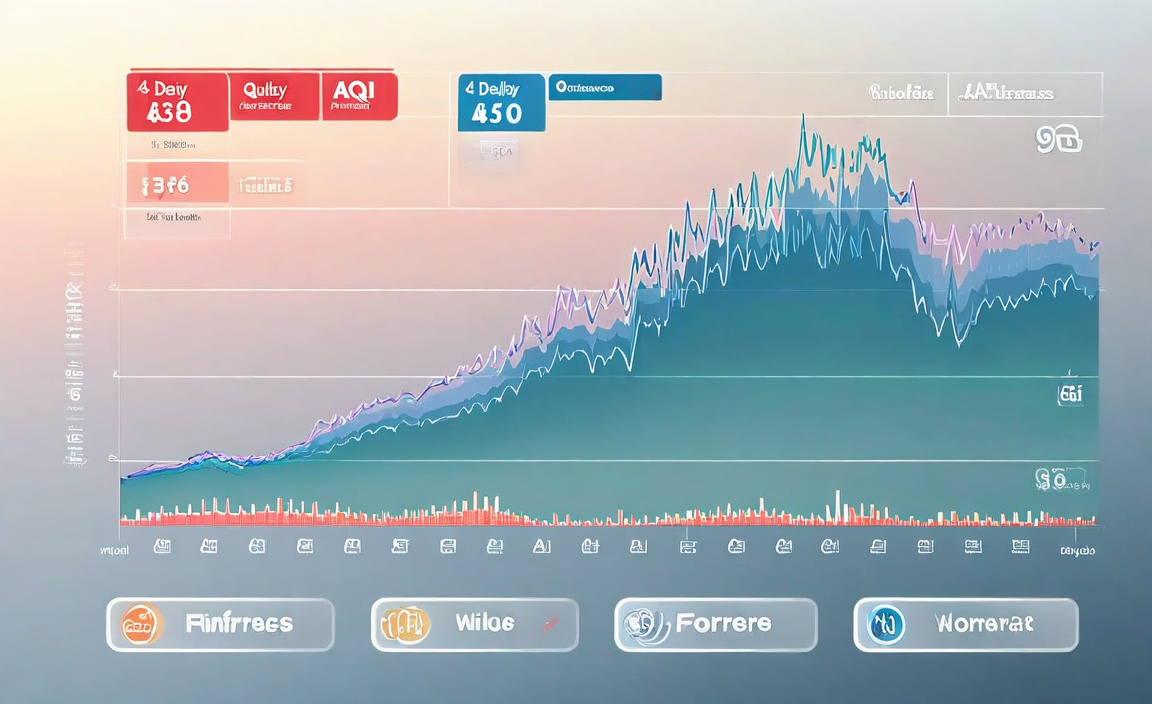
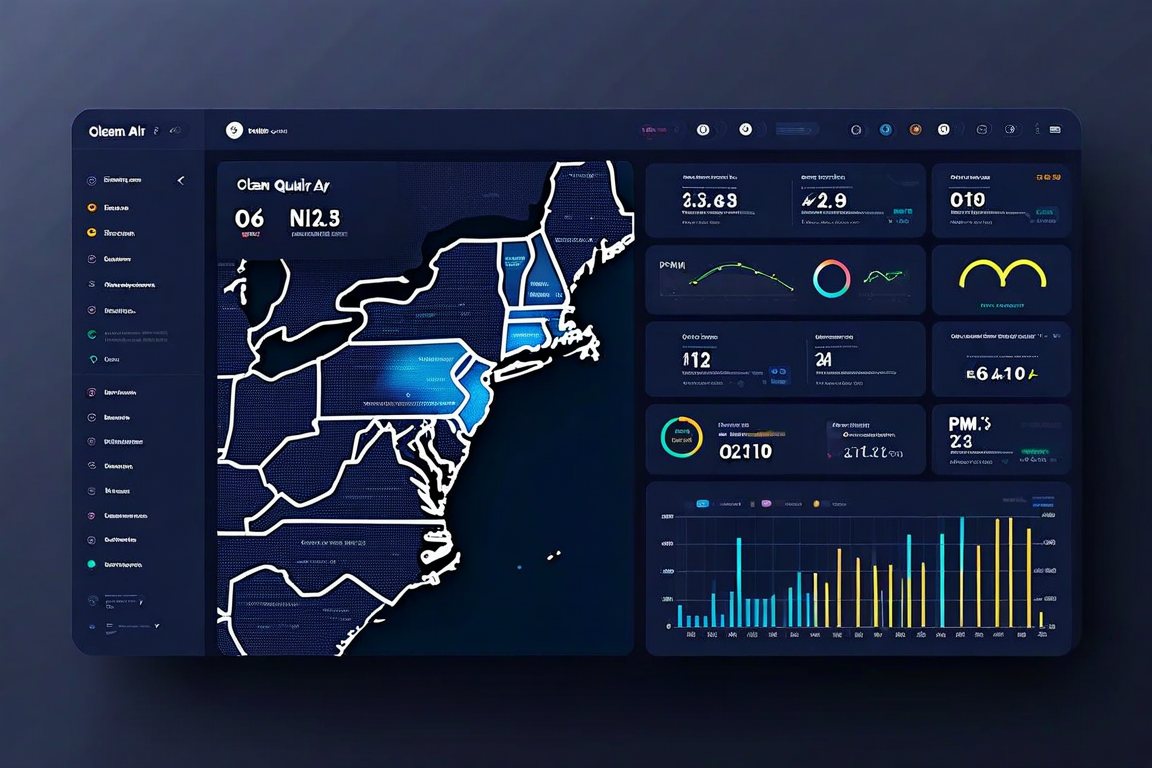
Trace AQ monitoring dashboard
Overview

One Platform,
Complete Coverage

The Trace AQ platform ingests data from 40,000+ ground sensors, NASA and ESA satellite feeds, and real-time meteorological models. Our physics-constrained AI layer applies atmospheric chemistry equations as hard constraints — meaning our forecasts are never physically impossible, even in data-sparse regions.

How It Works

Technology
Deep Dive

Trace AQ air quality forecasting
Layer 1

Physics-Based
Neural Architecture

Our models embed known atmospheric chemistry equations directly into the neural network architecture. This "physics-constrained" approach allows the model to generalize to new locations and conditions without the data requirements of pure ML — critical for global coverage in data-sparse regions.

Wildfire smoke detection
Layer 2

Real-Time
Smoke Detection

Wildfire smoke is the fastest-growing air quality threat in North America. Trace AQ ingests near-real-time GOES-R satellite imagery to detect active smoke plumes and models their transport using Lagrangian particle dispersion. Alerts fire 6–36 hours before smoke reaches population centers.

Trace AQ developer API
Layer 3

Developer-First
API Access

Built for production from day one. REST and WebSocket endpoints with JSON responses, pagination, and webhook support. Official SDKs for Python, Node.js, and R. Rate limits scale with your plan from sandbox to enterprise.

All Capabilities

Everything in
the platform

Smoke Detection

Real-time wildfire smoke plume detection and trajectory modeling with 6-to-36-hour advance warning.

Any Location

Lat/lon or zip code query for any point globally. No local sensor required — our models interpolate with high accuracy.

4-Day Forecasts

Hourly and daily AQI forecasts with probabilistic confidence bands up to 96 hours ahead.

Dual API

REST + WebSocket APIs with dedicated SDKs and 99.9% SLA. Production-grade from day one.

Automated Alerts

Configure threshold-based webhooks for AQI levels. SMS, email, and push notification delivery options.

Historical Data

Access reanalysis data back to 2010 for epidemiological studies, policy modeling, and ML training datasets.

Analytics Dashboard

Interactive web dashboard with pollutant overlays, trend charts, and downloadable reports for operational teams.

Enterprise Security

SOC 2 Type II compliance, SSO integration, role-based access controls, and audit logging for regulated industries.

Developer API

Integrate in
Minutes

The Trace AQ REST API is designed for simplicity. Authenticate once, query any location, and receive structured JSON with all pollutant values, AQI index, and forecast data.

Request API Access
# Install the Python SDK
pip install traceaq

# Query current AQI for Austin, TX
from traceaq import TraceAQClient

client = TraceAQClient(api_key="YOUR_API_KEY")

result = client.current(
    lat=30.2672,
    lon=-97.7431
)

print(result.aqi)       # 42
print(result.pm25)      # 8.3 ug/m3
print(result.category)  # "Good"

# Get 4-day forecast
forecast = client.forecast(
    lat=30.2672,
    lon=-97.7431,
    days=4
)
Use Cases

Built for every
use case

Healthcare

Anticipate respiratory patient surges. Issue protective advisories. Pre-position resources before air quality events peak. Integrates with EMR systems via REST API.

Research

Clean, normalized, versioned historical and forecast datasets for epidemiological studies, climate research, and policy modeling. Citable data provenance.

Government

Power municipal air quality dashboards, emergency response systems, school closure advisories, and outdoor event planning with hyperlocal, actionable data.